How Much to Feed and How Often: Keeping Your Water Clean While Feeding Fish
Written by Diamond Dave — September 22, 2026
A practical guide to stopping overfeeding so your tank stays healthy for the long haul.
The newsletter for new freshwater keepers who want clean water without stressing out their livestock or burning through food.
Just a quick word before we get to food
I know it is tempting to think of your fish as little pets that need constant “meals” like a dog or a cat. It’s easy to feel guilty if you aren’t feeding them every single day, but I want to shift your perspective just a bit. In the aquarium hobby, the most important thing we do isn’t actually feeding; it is maintaining water quality. Your fish live in a closed loop of water that has very little room for error compared to a backyard pond or a river. When you overfeed, that extra food doesn’t just disappear—it rots and breaks down, which spikes ammonia and nitrates in the water. Think of feeding as something we do only enough to keep them healthy and active. If they are well-fed on high-quality food, they don’t need a constant buffet. Keeping your water clean is the priority; the food is just the tool to keep them happy within that clean environment.
The two-minute rule for fresh feeders
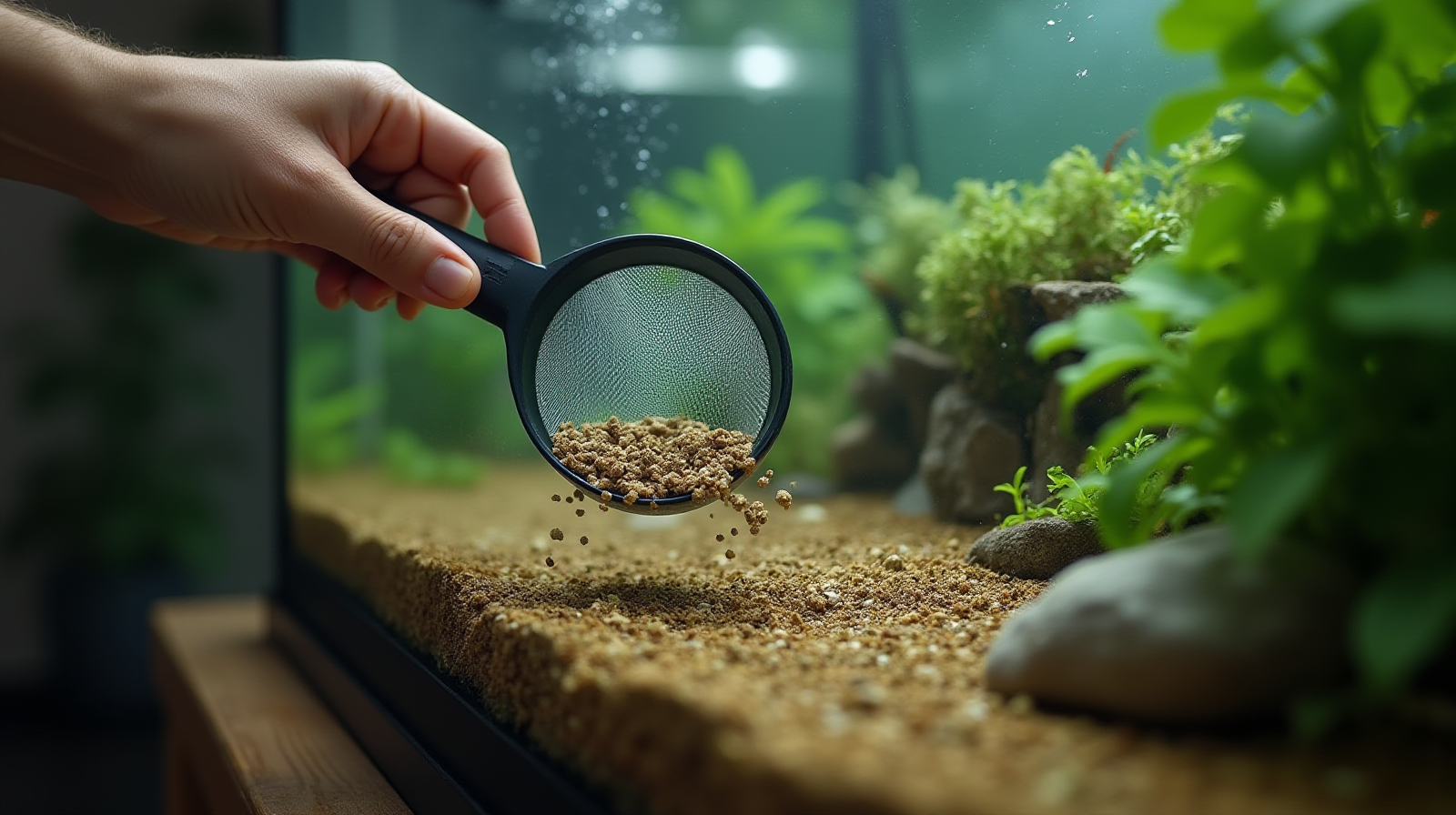
If you aren’t sure how much to put in the tank today, use what I call the “two-minute rule.” This is a practical way to gauge if your portions are getting out of hand. When you drop food into the water, your fish should be active and eating it quickly. You want all visible pieces of food to be gone within about two minutes. If there are still flakes or pellets floating in the corners of the tank or settling on the bottom after a few minutes, you’ve given them too much. It is much easier to start with a small pinch and add a tiny bit more if they seem hungry than it is to scoop out rotting food from the gravel later. I’d rather my fish be slightly hungry for an hour than have me spending twenty minutes vacuuming up uneaten pellets that are polluting their home.
When to feed and how often (and when not to)
Feeding schedules vary depending on what you are trying to grow or maintain. For most adult freshwater fish, once or twice a day is plenty—sometimes even every other day works fine if the food quality is high. However, if you are raising fry (baby fish), they need much more frequent, smaller feedings because they have very little body mass and need constant nutrients to grow.
Here is a general breakdown for common household setups:
| Fish Type | Recommended Frequency | Note |
|---|---|---|
| Adult Community Fish | 1-2 times daily | Keep portions small enough to finish in minutes. |
| Fry/Juveniles | 3-5 times daily | Small amounts frequently; ensure they are growing well. |
| Slow Feeders (e.g., Corys) | Once daily | Often better at night or during the evening. |
It is also important to know when not to feed. If you are dealing with a spike in ammonia or if your water parameters are drifting out of range, skip a feeding day. It gives the biological filter and your fish some breathing room while you get the chemistry back under control.
What we are actually feeding them?
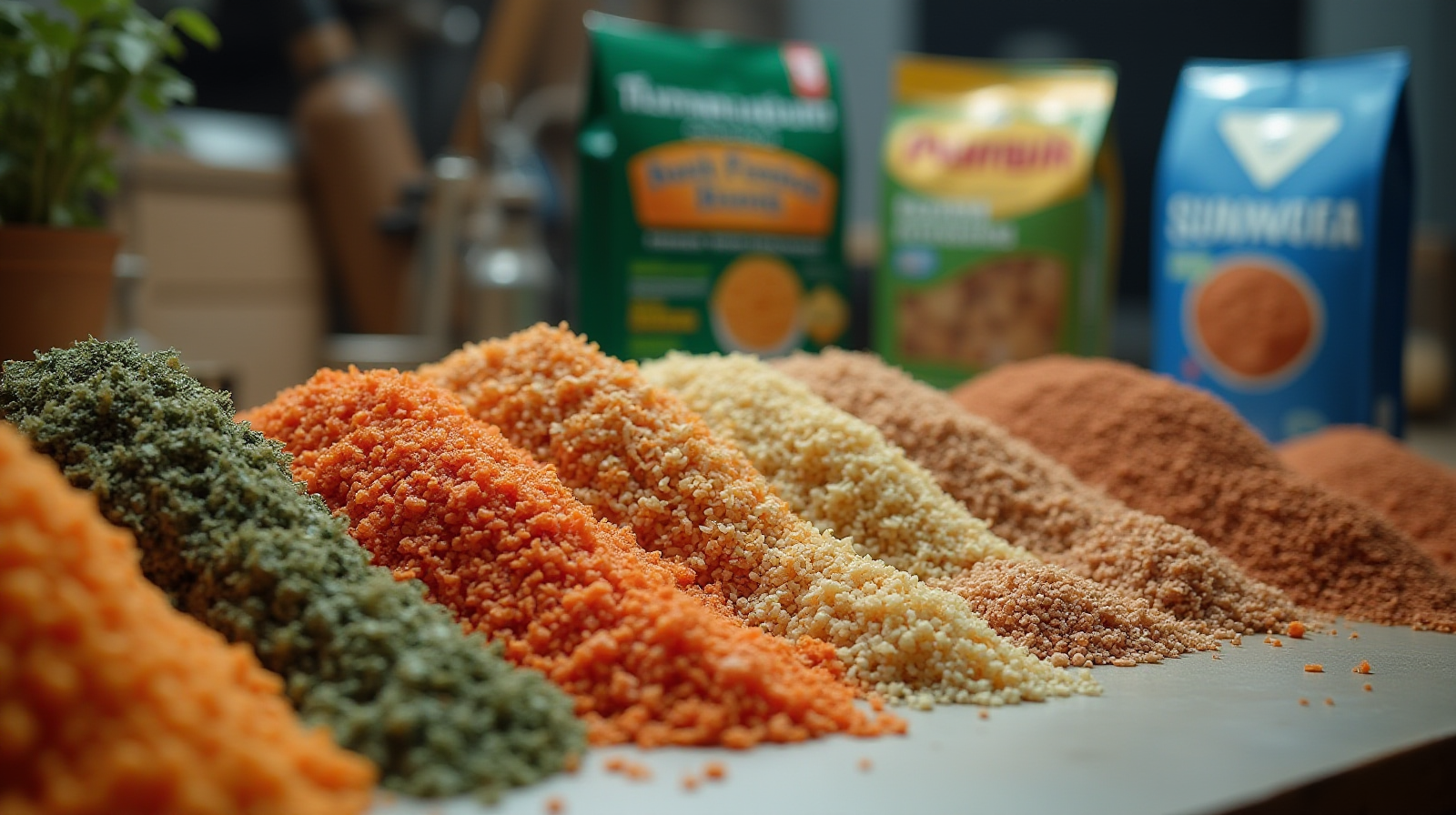
I’ve made the mistake of sticking to just one type of flake for years because it was convenient, but variety is what keeps their systems healthy. No single food contains every nutrient a fish needs over its entire lifespan. I like to rotate between high-quality pellets and flakes, but I also incorporate “treats” or varied textures. For example, some species prefer the crunch of a pellet, while others enjoy the texture of a flake.
Try to include these three elements in your rotation:
- Primary Diet: High-quality dry pellets (these are usually more nutrient-dense).
- Texture Variety: Flakes or “sticks” for fish that like to forage.
- Occasional Treats: Frozen foods like brine shrimp or bloodworms (best served as a treat, not the main meal).
By mixing it up, you ensure they get different nutrients and stay interested in their food, which prevents them from becoming lethargic.
Spotting the signs that you’re giving too much
You don’t always have to wait for a water test to tell you if your feeding habits are causing problems. Your eyes can usually spot the warning signs of overfeeding before things get critical. The most obvious sign is physical waste: if you see “clouds” of food floating in the water or a thick layer of muck building up on your substrate, you’re giving them too much.
Beyond the visible mess, watch their behavior and condition. Overfed fish often become sluggish or develop bloated bellies because they are spending more time digesting than swimming. Furthermore, if you notice frequent algae blooms or “blooms” of certain bacteria in the tank, it is often a sign that there is too much organic waste—usually from uneaten food—breaking down in the water. If your fish look like little balloons and aren’t moving much, dial back the portions immediately.
Your feeding checklist for peace of mind
To keep things simple, I use this mental checklist whenever I stand in front of my tanks to feed. It takes the guesswork out of it:
- The “Gone” Rule: Is all the food gone within two minutes? (If not, less is more next time).
- Portion Control: Am I feeding only what they can realistically consume in one sitting?
- Variety Check: Have I rotated their food types recently to ensure a full range of nutrients?
- Cleanliness Scan: Is there any debris left on the bottom or floating in the water after 10 minutes?
- Condition Watch: Do my fish look active and have appropriate body shapes, or are they becoming sluggish/bloated?
If you ever feel unsure about your specific setup or how much of a certain food to use for a new species, I’d be happy to take a look at what you’re working with. You can reach out through the contact page if you want to talk shop about your specific tank goals.
Source: AquaticRig
Get new newsletter issues, guides, and product updates by email.