
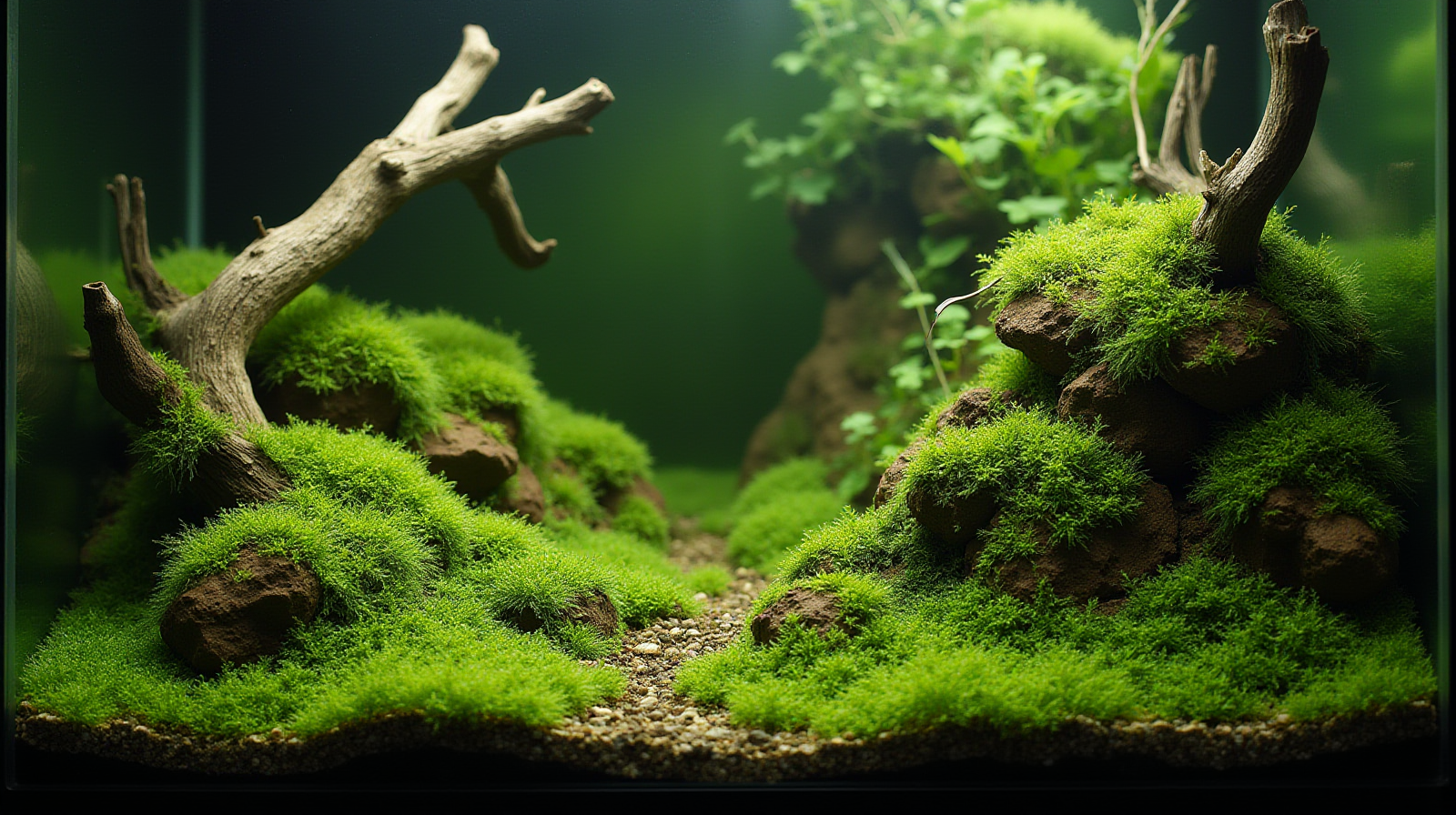
Moss Mastery: Growing and Using Java, Christmas, and Flame Moss
Written by Diamond Dave — September 14, 2026
A beginner's guide to making your planted tank look lush without the fuss.
The newsletter for new aquascapers who want deep jungle looks with minimal plant maintenance effort.
Before you buy: What exactly is aquarium moss?
When people start getting into planted tanks, they often look for ways to add texture without the headache of high-maintenance plants that require specialized CO2 systems or intense lighting. That is where these three types of moss come in. Java Moss (Leucobryum), Christmas Moss, and Flame Moss are all “low-tech” staples. They aren’t just one plant; they have different textures—Java is a bit more clumped, while Flame has a finer, needle-like look—but they share the same basic durability.
The main reason I recommend these to folks starting out is their resilience. You don’t need to be an expert gardener to keep them alive. They are slow growers compared to some aquatic plants, but that means you aren’t constantly fighting to stay ahead of growth. They provide a great “base” for your tank because they can survive in various lighting conditions and water parameters while making the scene look much fuller than just bare rocks or wood alone.
The basics: Setting up your first moss mount
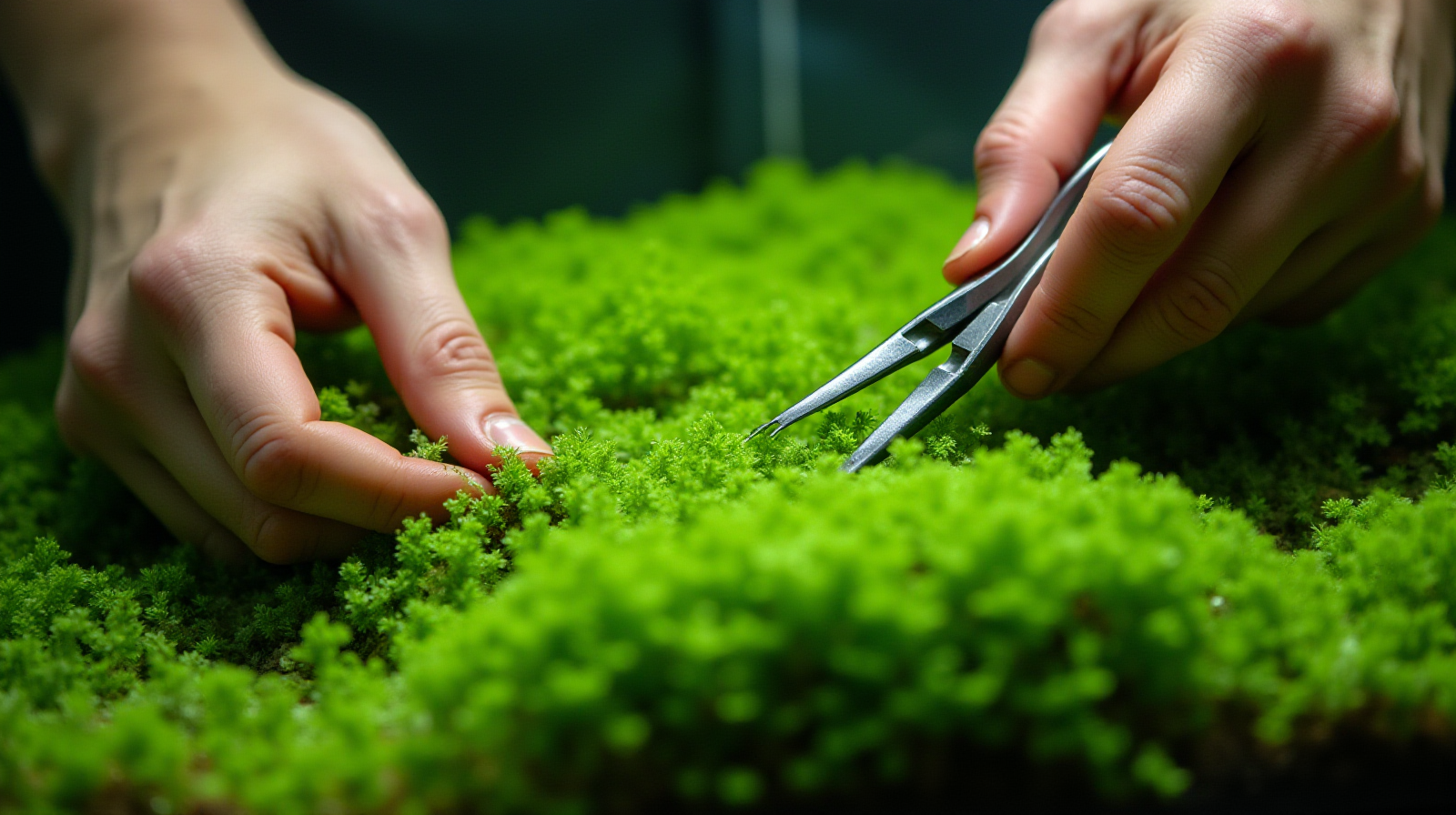
Getting moss into your tank involves more than just tossing it onto a rock and hoping it stays there. Because of how these plants grow, you want to secure them firmly so they don’t float away or get pushed around by your fish as they establish themselves. I’ve found that the best way to do this is with either cyanoacrylate glue (the kind used for hobby crafts) or a very fine nylon fishing line.
If you prefer not using any glue, thread works well, but it takes more time to tie off each section of wood. Here are the two most common ways I handle my mounts:
- Glue Method: Apply a small dab of gel cyanoacrylate directly onto your driftwood or rock before pressing the moss into it. Let it dry for a minute so it doesn’t cloud the water, then press the moss firmly into the glue.
- Binding Method: Use thin fishing line to wrap around “bundles” of moss and the wood they are attached to. This is great if you have large pieces of driftwood where you want to weave the moss in several places.
I usually suggest starting with a small piece of bogwood or dragon stone as your base, as these textures provide plenty of nooks for the moss roots to grab onto.
Keeping it just enough: Maintenance that actually works
One mistake I see often is people thinking they have to do nothing once the moss is in the tank. While you don’t need to “feed” it like a high-tech plant, you do need to keep it clean. Moss can trap debris and waste because of its dense structure. If left alone for too long, that trapped material becomes a breeding ground for algae.
Instead of using harsh chemicals to fight off the gunk, I prefer a simple trimming routine. Every few months, take some sharp scissors and trim back any parts that are becoming excessively large or starting to look “fuzzy” with algae. Trimming isn’t just about aesthetics; it keeps the interior of the moss clump from suffocating itself so that light can reach all the way through. This promotes healthier growth and makes the color stay more consistent over time. If you see a particularly ugly patch of green, snip it off immediately rather than trying to treat it with chemicals.
Troubleshooting common mistakes (and what they mean)
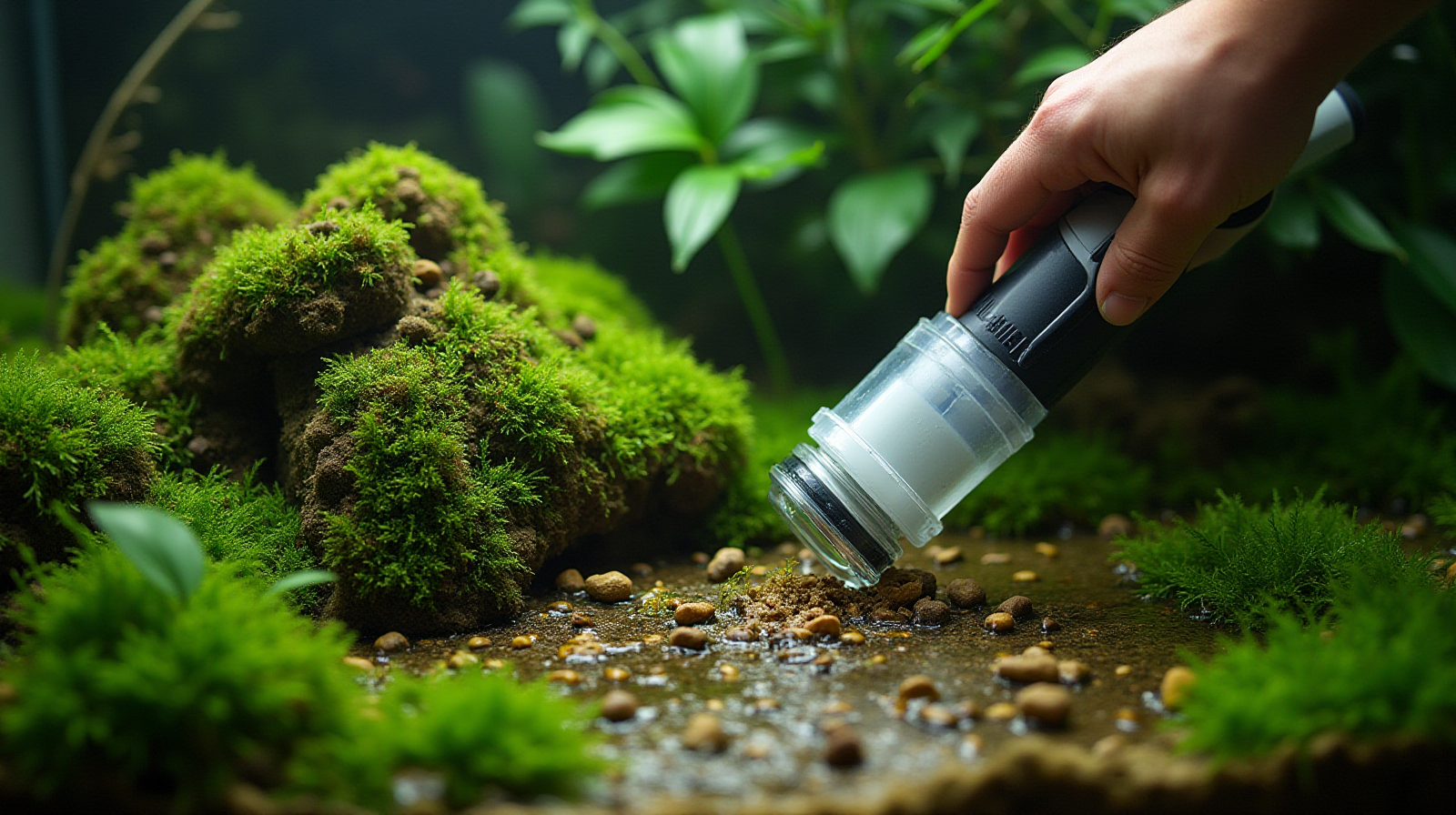
Not everything goes perfectly in an aquarium, but most moss issues are easy to diagnose if you know what signs to look for. When things go wrong, the plant usually gives you a very clear signal about why. Here is how I break down the most common problems:
- Browning or Melting: If your moss turns brown and feels slimy, it’s likely rotting. This can happen if there isn’t enough water movement (the flow is too slow) or if the tank has a sudden spike in ammonia/nitrites.
- Algae Growth: A thin layer of green “dust” on the leaves usually means you have too much light and not enough nutrients being used by the plant, or your water changes aren’t frequent enough.
- Stunted Growth: If it looks like nothing is happening at all, check your lights. While these are low-tech plants, they still need a decent amount of “daylight” to grow.
If you see any brown bits, just pull them out and toss them—they won’t turn green again once they’ve rotted. If it looks healthy but isn’t growing much, try increasing your light duration by an hour or two during the day.
Getting creative: Ideas for small-scale aquascapes
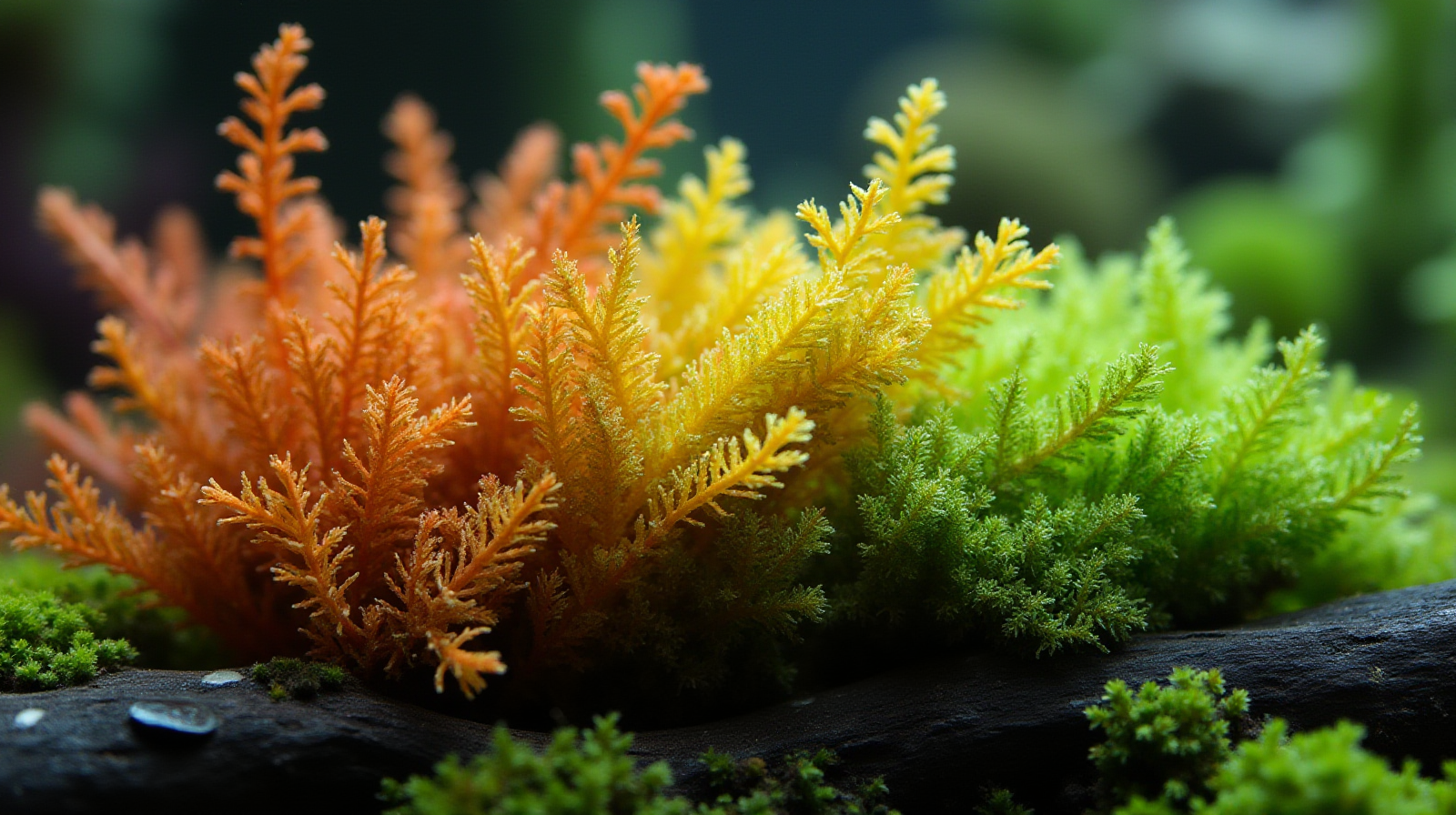
You don’t have to just stick a clump of moss on one rock and call it a day. Because these three types are so hardy, they can be used in several different ways to create depth in your tank. I like using them as “fillers.” For example, if you have two large rocks that aren’t touching, you can tuck some Christmas Moss into the gap between them. This makes it look like a continuous underwater landscape rather than just two stones sitting on sand.
You can also use moss to create “underwater bushes” by gluing it onto smaller pieces of wood and nesting those woods together. If you have an intake pipe that’s an eyesore, tucking some Java Moss around the base can hide the plastic while still looking like a natural thicket. For even more variety, try using different types in one tank—use the denser Java for your main features and the lighter Flame moss to fill in smaller gaps. If you find yourself needing specific pieces of driftwood or specialty rocks to build these out, check our shop’s collection of hardy wood options or visit our guide library to see how we handle varied textures.
Source: AquaticRig
Get new newsletter issues, guides, and product updates by email.