
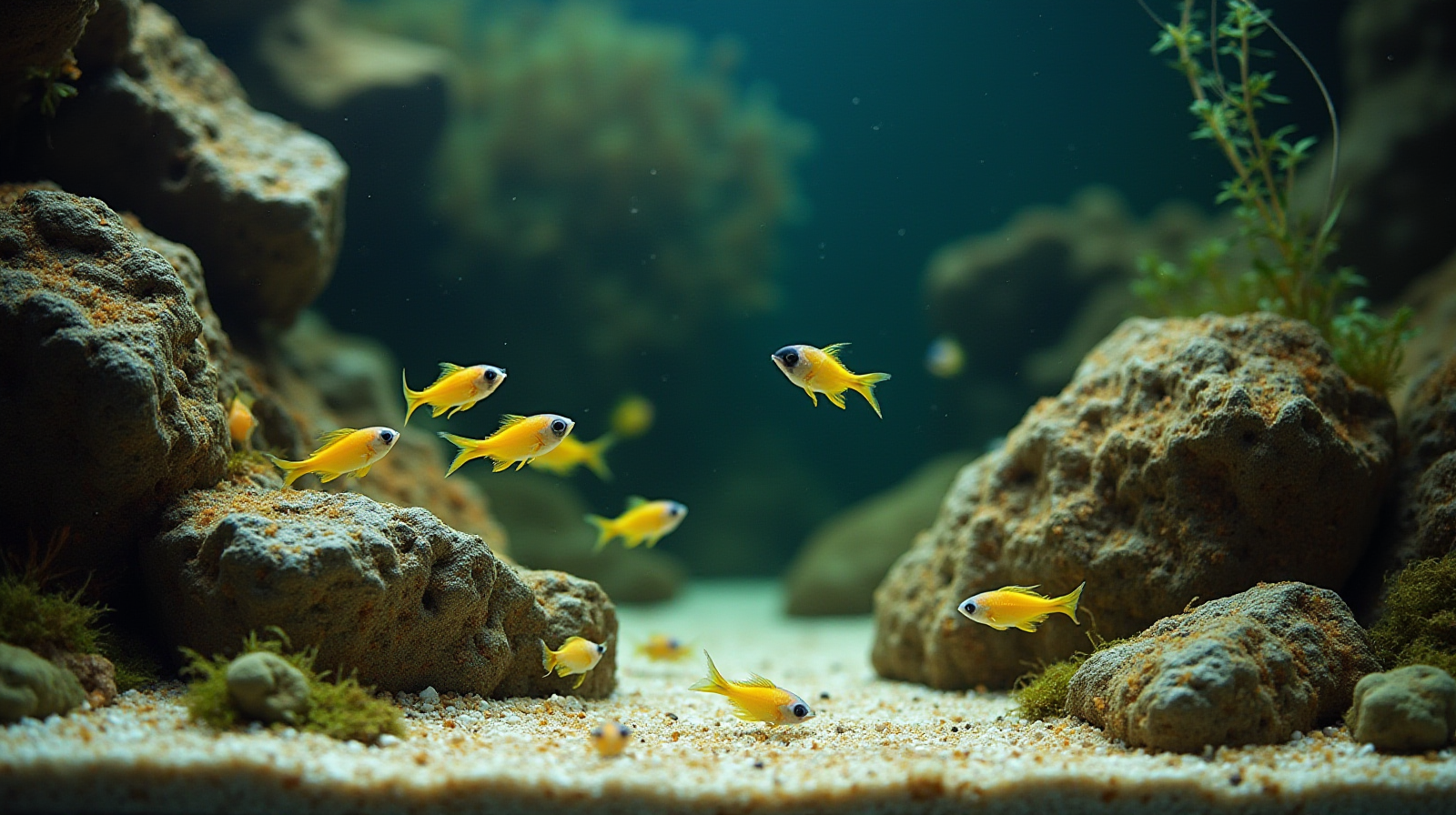
Setting Up a Home for Yellow Watchman Gobies
Written by Diamond Dave — September 18, 2026
Making sure your tank structure actually supports their natural life.
The newsletter for intermediate reef keepers who want to successfully house bottom-dwelling critters without making expensive mistakes.
Why these guys need more than just ‘sand and water’
If you’re looking at a Yellow Watchman Goby, you aren’t just looking for a fish that sits in the middle of a tank and looks pretty. These are bottom-dwellers with a very specific set of instincts. In my experience, a common mistake is thinking that because they live in sandy areas, a flat expanse of sand is enough for them to be happy. It isn’t. They need “three-dimensional” space—which is just a fancy way of saying they need places to go where they aren’t exposed.
A Yellow Watchman Goby feels safest when it has something above its head or a nook to tuck into. If you just give them an open floor plan, they’ll spend most of their time hiding in the only spot available (usually your intake pipes) or staying tucked under a single rock all day. To get that active behavior we see in photos, you have to build a landscape that offers variety. They need transitions between open swimming space and “safe zones” where they can retreat if they feel spooked by a sudden movement outside the glass.
The rock placement rule: Build a fortress, don’t build a display

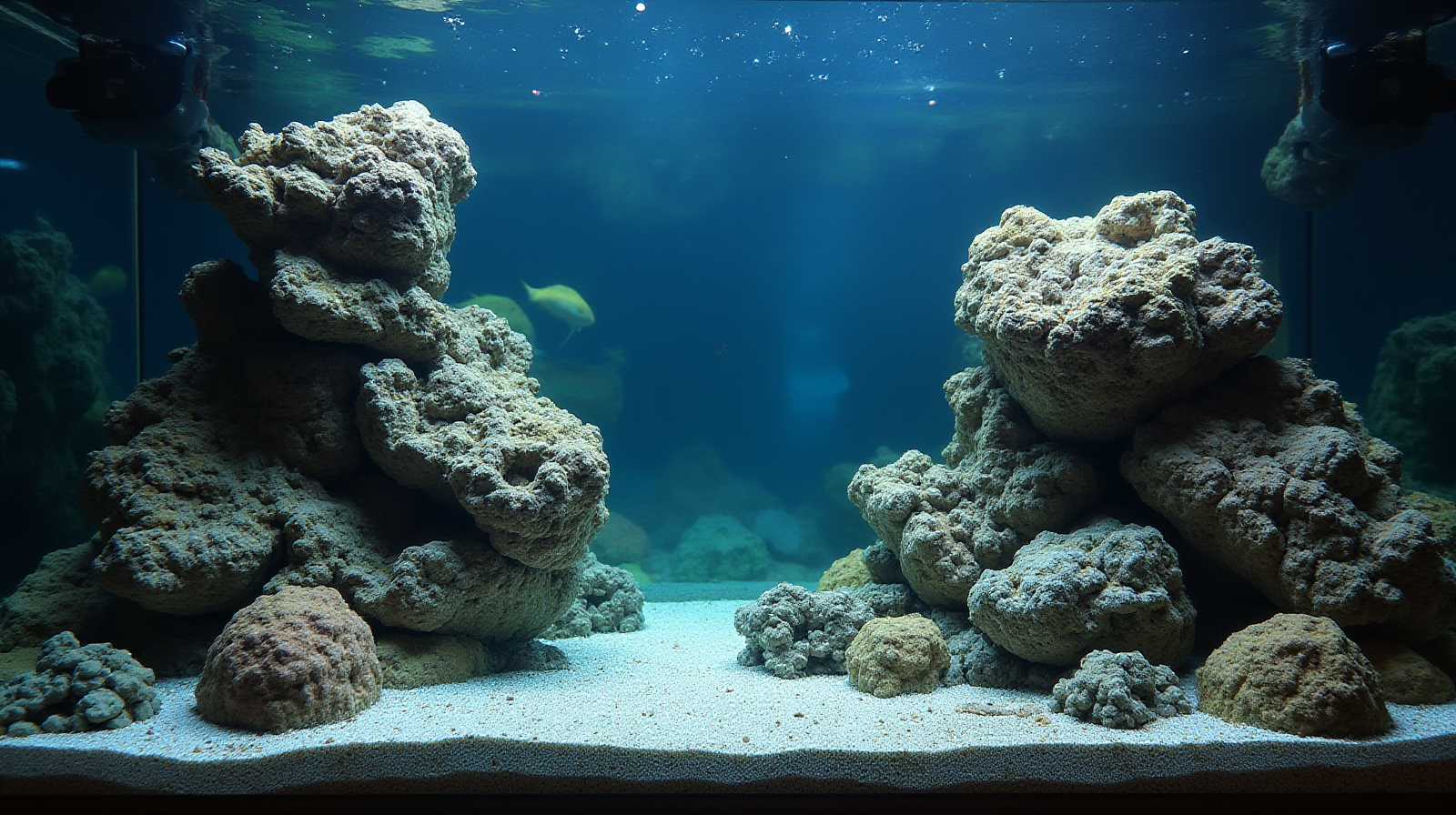
When I set up my own bottom-dwelling tanks, I always start with the hardscape before I even touch the sand. You have to think like the fish, not the viewer. A “display” layout usually means big rocks spaced out so you can see through them. For a Watchman Goby, you want a fortress. This means grouping your rocks together to create clusters that have overlapping pieces.
You are looking for overhangs—places where one rock sits over another to create a cave mouth or an alcove. When you’re placing these, try to create “lanes” of movement but ensure there is always a nearby nook the fish can dive into if it gets startled. Don’t worry about making every rock visible from the front; focus on creating depth. If they have a solid structure to claim as their territory, they’ll be much more comfortable and active in your tank.
Getting the substrate right: Layers matter more than fancy names
I get asked a lot about what specific brand of sand is best for gobies. The truth is, the grade and texture usually matter more than the brand name on the bag. For a digging fish like the Yellow Watchman Goby, you want a substrate that provides enough “grip” to hold its shape but stays fine enough that it won’t clog your intake.
I generally recommend a layered approach rather than just dumping one type of sand in:
- Base Layer: A coarser, heavier grain (like coarse silica or crushed coral) helps provide drainage and stability so the top layer doesn’t shift too much.
- Top Layer: A finer, smoother sand that provides the texture they need to sift through for food.
Mixing these gives you a stable foundation. If you use only very fine sand, it can cloud your water every time the fish moves; if you use only coarse stuff, it might be too rough on their fins over time. Finding that middle ground in a layered bed usually makes for a much more stable environment.
Stocking considerations and neighbors to watch out for
When picking tank mates for these guys, I always look for “calm” fish. Because Yellow Watchman Gobies are bottom-dwellers, they don’t need high-speed swimmers that create huge amounts of waste or constant surface agitation. You want companions that occupy different levels of the tank so you aren’t crowding the same space.
Here is a quick guide on what usually works well:
- Peaceful Schooling Fish: Small tetras or rasboras in the middle and top of the water column provide movement without being aggressive.
- Other Bottom Dwellers: Some species like Kuhli Loaches can share the bottom, but be careful with other “territorial” gobies; they might fight over the best hiding spots.
- Avoid: High-energy cichlids or large, fast-moving catfish that might kick up too much sand and stress out the Watchman Goby.
The goal is a peaceful neighborhood where everyone has their own space to hang out without constantly bumping into each other.
Common mistakes I’ve led beginners to fix (and how to fix them)
One of the most common things I see people do with these gobies is over-cleaning the substrate. Because they are “bottom dwellers,” there will always be some debris on the floor. If you try to vacuum every single grain of sand away, you’re essentially destroying their home and making it impossible for them to forage. Instead of scrubbing the bottom daily, let the biological cycle do its work.
Another common slip-up is not providing enough vertical structure near the substrate. Sometimes people put all the “action” at the top of the tank, leaving a big empty middle zone. If the goby feels like it has to cross a massive, open plain to get from one rock to another, it won’t move much. You can fix this by placing smaller pieces of driftwood or stones in the mid-ground. This breaks up the line of sight and gives them “stepping stones” of safety as they navigate your tank.
A quick habitat checklist before you add the first goby
Before you head out to get your fish, take a walk around your tank (or look closely at it) and check off these requirements. If you can’t check every box, you might want to adjust your layout before the fish arrives:
- Defined Hiding Spots: At least three distinct areas where the fish can completely hide from view.
- Overhangs/Caves: Rock structures that provide overhead cover rather than just flat surfaces.
- Stable Substrate: A depth of at least 1-2 inches of sand to allow for some movement without hitting the bottom glass.
- [No “Dead Ends”: Ensure there are multiple paths through your rockwork so they don’t get trapped in a corner.
- Low-Traffic Zones: Areas where the fish can settle and stay undisturbed by heavy surface activity or high flow.
If you have these things in place, you’re providing a much better foundation for them to thrive than most “starter” tanks provide.
Source: Saltwater Aquarium Blog
Get new newsletter issues, guides, and product updates by email.