When Guppies Take Over: Handling Too Many Babies
Written by Diamond Dave — September 15, 2026
What to do when your small freshwater tank starts producing more fry than you can count.
The newsletter for dedicated community hobbyists who are tired of constant population management and want a sustainable way to enjoy their fish.
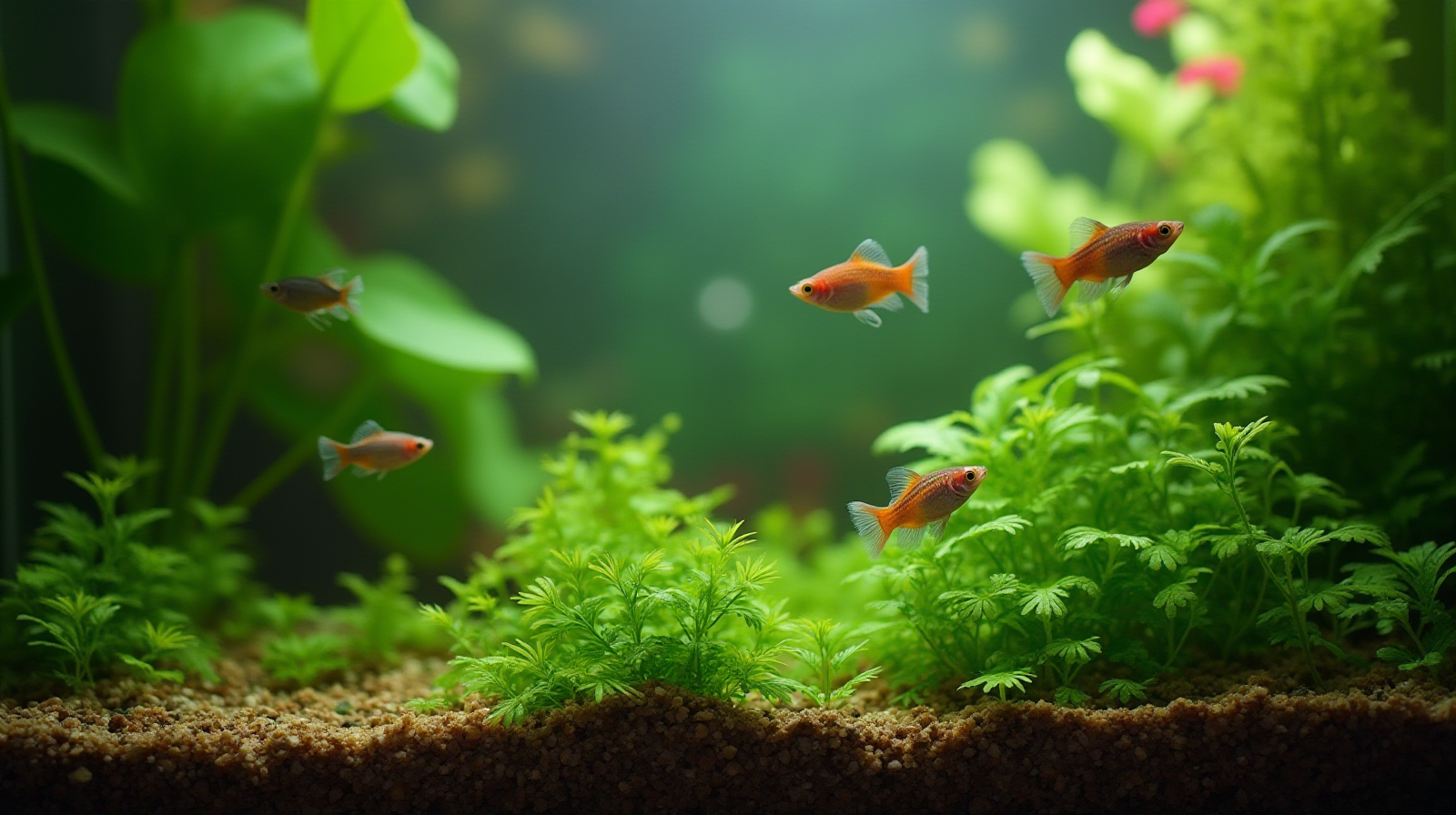
Okay, it’s happening. Too many guppies.
If you started your journey with a few pairs of guppies and suddenly find yourself looking at a literal carpet of tiny fish darting around your substrate, I know exactly where you are. It can feel overwhelming—almost like the tank is taking over. You might feel a bit guilty or frustrated that things moved faster than you expected, but here is the honest truth: this isn’t a failure on your part. It just means you did a good job of creating an environment where they felt safe enough to breed.
Guppies are prolific by nature. In my own tanks, I’ve seen a single successful breeding cycle turn a manageable group into a chaotic swarm in just a few weeks. It is one of the most common hurdles for home hobbyists. The goal now isn’t to judge your setup; it’s to figure out how to manage this growth so your tank stays healthy and your stress levels stay low. You aren’t “failing” because they are breeding; you’re just facing a very common biological reality of the hobby.
The quick fix vs. the real solution: What to pull out first?
When the fry count hits a point where it starts to worry you, your first instinct might be to grab a net and start pulling them out as fast as possible. There is nothing wrong with that—in fact, if your bioload is getting too high, immediate removal is often necessary for the safety of the fish remaining in the tank. However, I always tell people to think of netting or siphoning as “triage.” It’s a way to manage the current crisis, but it doesn’t stop the next batch from arriving in a month.
If you find yourself spending every weekend with a net and a bucket just trying to keep the numbers down, you’re working too hard. You want to move toward a management style that feels less like constant housework. While siphoning is great for removing waste and some fry at once, it’s a temporary fix. The real solution involves looking at your tank layout and how much “hiding” space the adults have, which leads into how we can actually slow down the cycle of overpopulation in the long run.
When keeping them all isn’t feasible: Responsible rehoming.
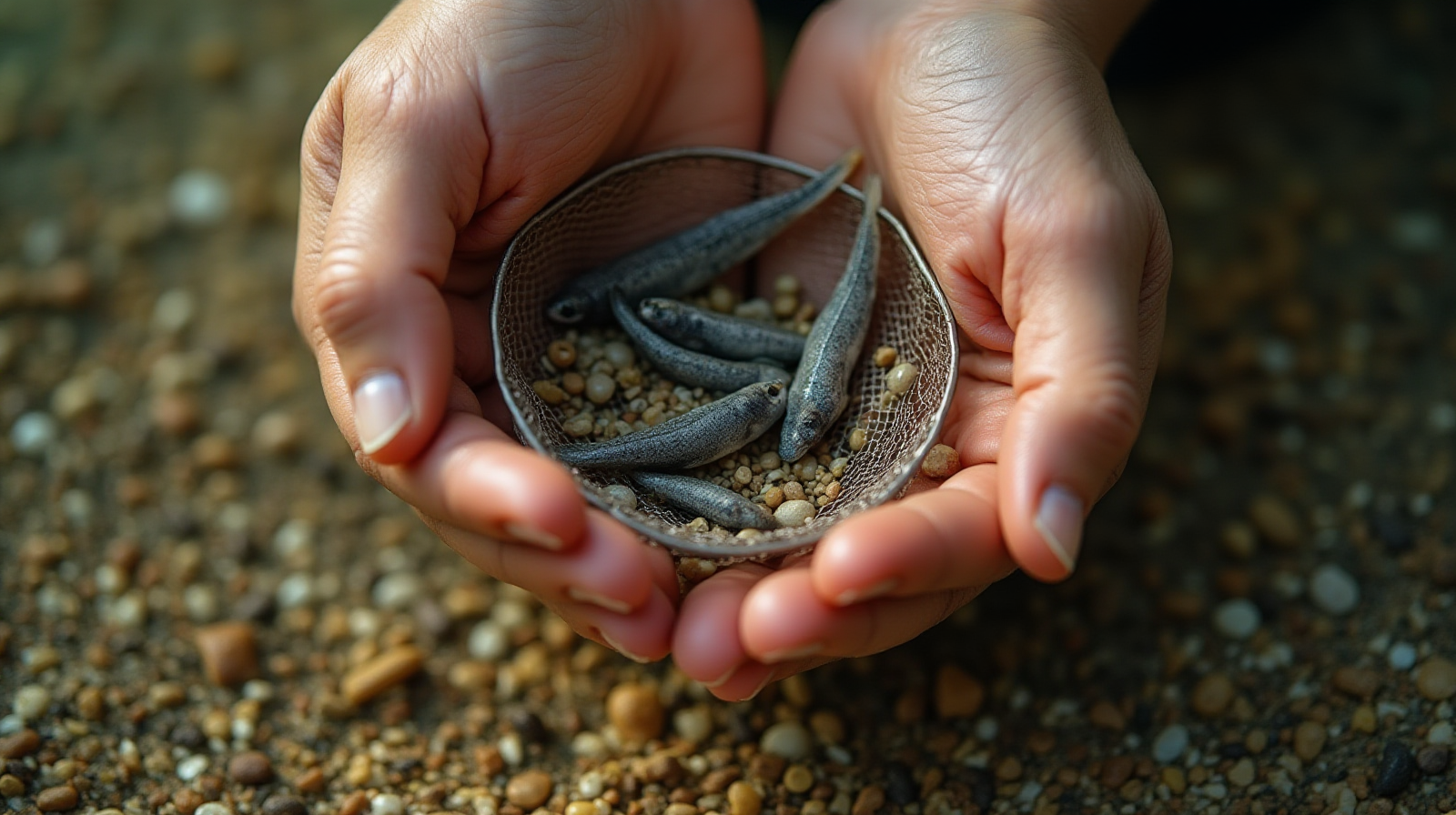
I get asked a lot what to do with the surplus fish once you’ve netted them out. I always advocate for the most responsible path, which usually means finding homes where they can thrive rather than just “getting rid” of them. If you have dozens of fry, don’t feel pressured to keep every single one if it means overcrowding your current tank. A crowded tank leads to poor water quality and stressed fish.
The best way to handle a surplus is through local community connections. I recommend these three paths:
- Local Fish Clubs: Many areas have hobbyist groups who love “rescue” fry and can give them to people with larger setups.
- Responsible Rehoming: If you have friends or neighbors into fish, they are often happy to take a handful of guppies off your hands.
- The Local Shop: Some independent pet stores will take healthy fry if you tell them honestly that you simply can’t keep the numbers up.
Avoid selling them on large public marketplaces where people who don’t know how to care for fish might buy them just because they look “cute.” It’s better to have a smaller group of happy fish in your tank than a huge group of stressed ones.
Thinking long-term? How can you encourage natural checks?
If you want to slow down the breeding cycle so you aren’t constantly netting fry, we have to look at the environment. In many cases, guppies overbreed because they feel “too” safe—they have plenty of hiding spots and enough food that there is no natural pressure to limit their numbers. While I don’t recommend making life miserable for your fish, you can adjust certain factors to find a better balance.
One way is by managing the amount of dense vegetation or heavy decor where fry can hide from predators (or just stay hidden in general). If every corner of the tank is a nursery, they will keep breeding. Another factor is maintaining a consistent bioload; if you have too few adult fish and too many babies, the waste levels will spike quickly. You might also consider “mating pairs” rather than groups. By keeping only one male with a small group of females, you can still have new fry occasionally without the population exploding exponentially every week. It’s about finding that middle ground where your tank feels like a home, not a nursery.
A few things to watch out for when population booms.
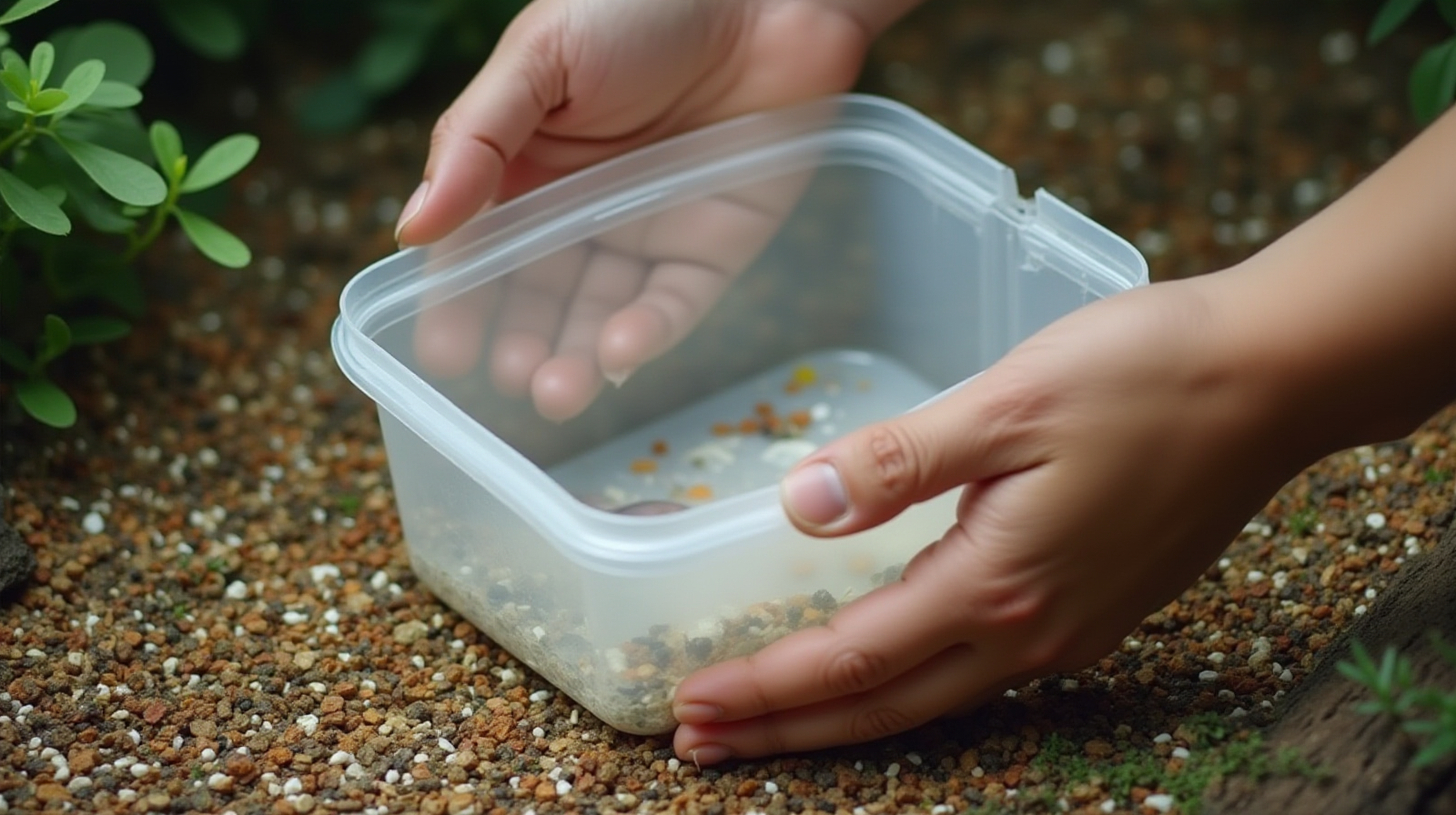
When numbers spike quickly, several things happen at once in the water chemistry and behavior of the fish. You have to stay ahead of these changes before they become problems you can’t easily fix. Here are the main things I’ve seen go wrong during a “guppy boom”:
- Rapid Ammonia/Nitrite Spikes: More bodies mean more waste. Even if your filter is good, it has a limit on how much ammonia it can process daily.
- Overfeeding the Fry: It’s tempting to feed the babies constantly because they are small and cute, but this leads to uneaten food rotting in the substrate.
- Neglected Tank Mates: If you have other species in the tank, a sudden influx of guppy fry can stress them out or lead to competition for space and resources.
To keep things stable during these periods, I recommend increasing your water change frequency slightly until the numbers settle down. Keeping an eye on your nitrate levels is also vital; high nitrates from overpopulation can lead to stunted growth in the younger fish. If you find yourself struggling with where the tank stands at any point, our guide library has some deep dives into managing bioload and maintaining stable parameters during these transitions.
Source: AquaticRig
Get new newsletter issues, guides, and product updates by email.